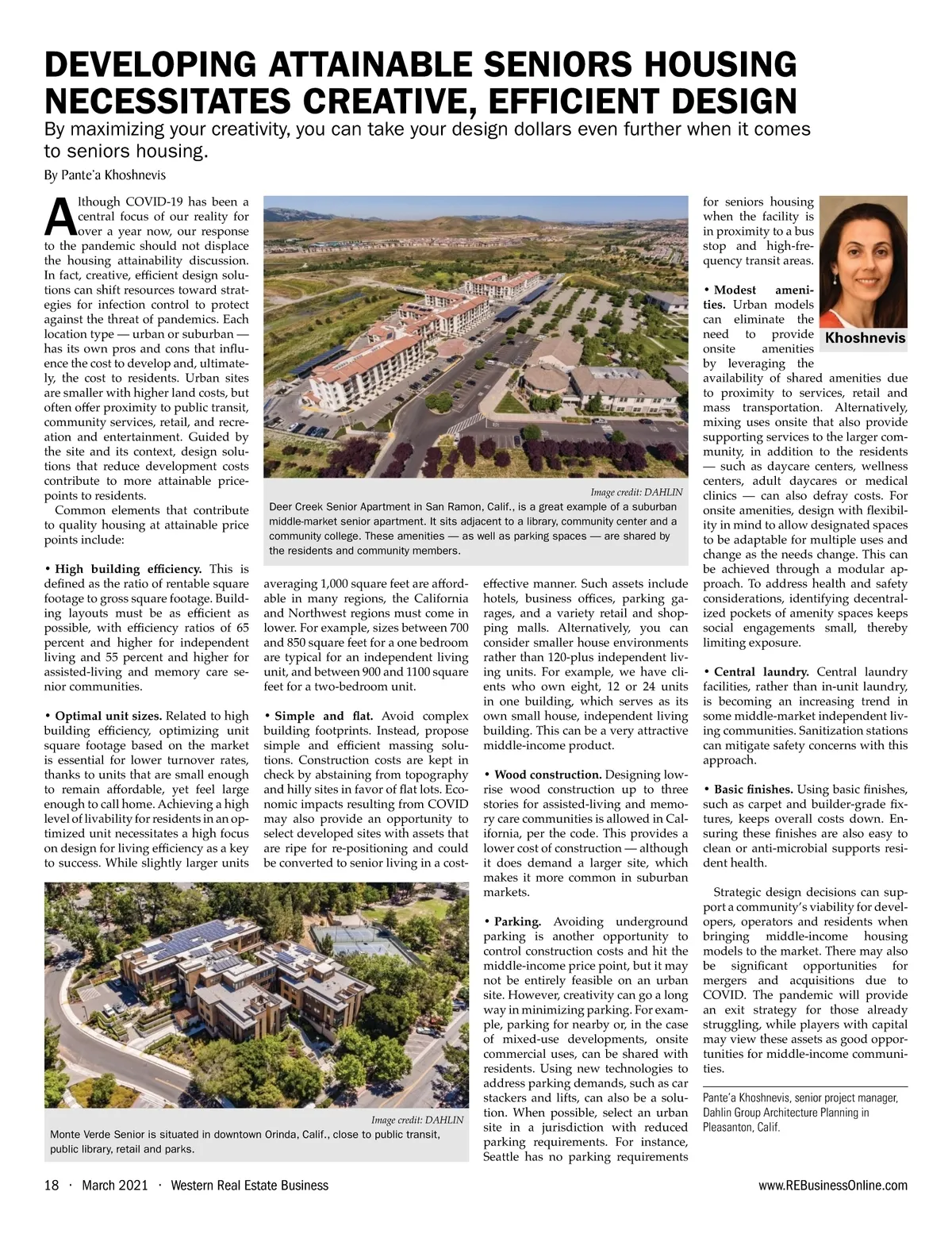
THE SELF-STORAGE MARKET REGAINS ITS ATTRACTIVENESS Rising rental rates herald a new bull market for self-storage. By Cory Sylvester C OVID-19 has created a surge in demand for self-storage space since the second half of 2020, boosting rental rates and occupancies to or near all-time highs. This surge in demand has led to the start of a new bull market in self-storage. The fall and early winter months were incredibly strong, which is in stark contrast to normal seasonality. If you look at pricing in the second half of the year when the industry opened after the pandemic initially hit, rent-al rates rebounded and continued to climb for the remainder of the year. This increase came on the heels of cratering rental rates earlier in the year when customers sheltered in place. REITs, which largely drive the self-storage market, began slashing rates dramatically to attract a smat-tering of customers who needed stor-age. Once the lockdowns lifted, rates recovered in many markets with de-mand also rebounding. manent than what you would see in an emergency like a hurricane. This increase in demand, coupled with lower move-out trends, helped sop up excess supply. With record-high occu-pancies, pricing has surged. This has given us the confi dence to say we are in a new bull market. A variety of new demand drivers were created from the impact COVID has had on our habits and lifestyles. These include: • People clearing out bedrooms to set up home offi ces and gyms • Employees working remotely • Students returning home from college • Businesses closing or downsizing The Market Evens Out Long-Term Demand Operators should be able to main-tain pricing power since industry occupancy is near all-time highs. Rising rental prices, combined with stable interest rates for the foresee-able future, could reinvigorate de-velopment activity. Prices climbed 15 percent between January and De-cember 2020, based on data from the REITs using 10-by-10 unit rates as a standard. Western markets have not been left behind. Through the end of 2020, web rates in Los Angeles were up 12 per-cent, while Phoenix’s rates were up 15 percent. This strength has continued into March, with both markets see-ing prices higher by 15 percent and 24 percent, respectively, versus the same time last year. The surge in demand was more per-Overall, the self-storage indus-try has seen an oversupply in many markets since 2016. After COVID emerged, most of the development came to a halt as the country virtually shut down, although the oversupply cycle was nearing the end. While self-storage delivered an annual average of a little more than 1,000 new facili-ties between 2017 and 2019, the num-ber of self-storage openings in 2020 was near 700. This was a roughly 30 percent reduction from the three-year average, according to Radius+. Construction value put in place for December was $321 million, down 24 percent year-over-year. We expect construction spending to pick up after an infl ux in demand. As prices go up, self-storage de-velopment should increase, but it is well off its peak in terms of run rate. Many developers that experienced overbuilding during this last cycle will also likely approach the market slowly and cautiously. This should help prevent a reacceleration. Many storage experts believe inves-tors will exercise restraint with their funds over the next 12 to 24 months in some cities. This may cause some development plans in some marginal areas to be either scrapped or delayed. Conversely, some investors believe this is the time to build for future demand. Growth likely will come from deep-pocketed operators and private equity funds looking for op-portunities to locate in primary and secondary markets with high barriers to entry. Self-storage proved once again to be resilient during last year’s recession. Despite initial fi nancial hits during the onslaught of COVID, facilities’ rates and occupancies have recovered at an eye-opening pace. In fact, self-storage outperformed all core commercial real estate markets in 2020 as REITs expe-rienced double-digit year-over-year growth compared to 2019. Self-storage fundamentals remain strong and a bull market may indeed be imminent. Self-storage has been the top performing real estate asset over the past 25 years at a compound annual growth rate of 13.6 percent, according to NAREIT. The in-dustry has also en-joyed a 50 percent increase in adoption Sylvester rate over the past 15 years, moving from 8 percent of the U.S. population using storage to the current rate of 12 per-cent. Self-storage had an increasing pene-tration rate over the years, but COVID happened seemingly overnight, caus-ing many more people to need stor-age. That excess supply is now getting absorbed in many areas. This places us back in a bull market where supply is tight and prices will continue to rise because operators can drive rates up-ward as occupancies go higher. Cory Sylvester, Principal, DXD Capital Architectural dog park products DOG WASH TUBS FUN PRODUCTS AGILITY ITEMS WATER FOUNTAINS PLAY EQUIPMENT PET STATIONS GymsForDogs.com DXD Capital is building a multi-story facility on a 1.7-acre property in Las Vegas. It is expected to break ground in late winter and will be complete in the rst quarter of next year. The facility will be managed by self-storage real estate investment trust Public Storage Inc. sales@GymsForDogs.com 800-931-1562 www.REBusinessOnline.com Western Real Estate Business • March 2021 • 19
Western Real Estate Business March 2021: Page 19